
Things To Do in North Yorkshire
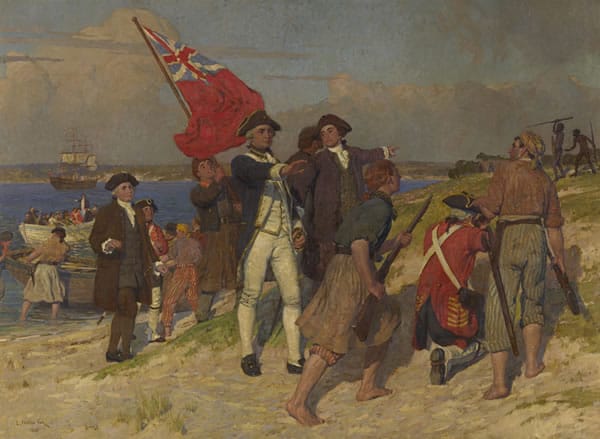
Captain Cook Museum
The Captain Cook Memorial Museum is based in the 17th century house in Grape Lane on Whitby's harbourside where the young James Cook lodged as apprentice. It was here that Cook trained as a seaman and acquired those maritime skills which led to his epic voyages of discovery.
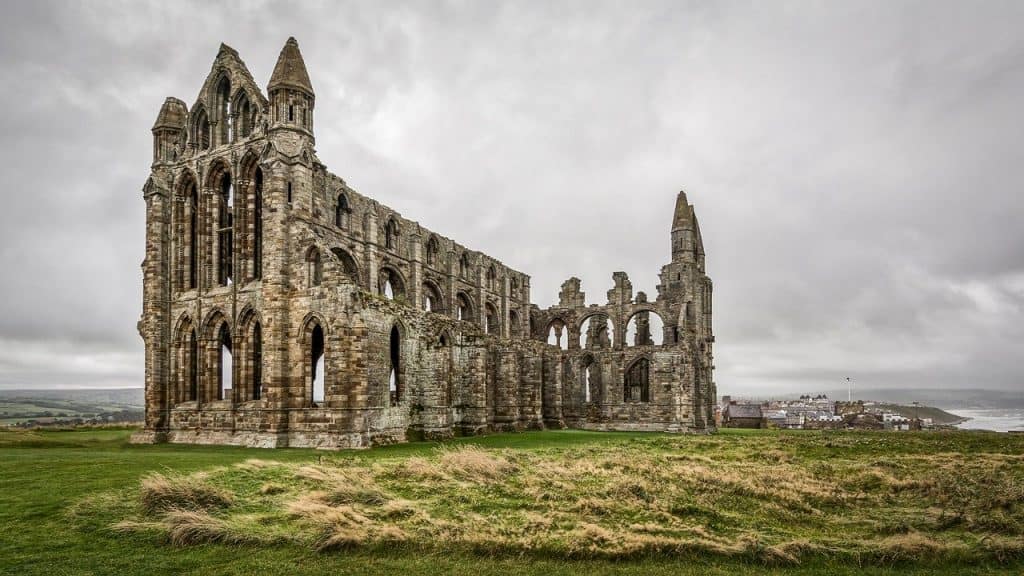
Whitby Abbey
Recently re-opened after a huge revamp, Whitby Abbey overlooks the popular seaside resort of Whitby. You can explore the history of this famous Benedictine abbey looking back over 3000 years all the way back to the Bronze age. Facilities include a visitor’s centre, gift shop and coffee shop.

Falling Foss waterfall and tea garden
(open seasonally April – September)
Description taken from website www.fallingfossteagarden.co.uk
Falling Foss Tea Garden is a small but enchanting tea garden set in the grounds of Midge Hall, a tiny cottage which nestles at the top of the beautiful Falling Foss waterfall.
Whether you’re in the midst of the Coast to Coast walk or perhaps just out for a leisurely saunter through the fabulous ancient woodland, Falling Foss Tea Garden is the perfect place to relax and unwind, enjoy a light lunch, a sumptuous cream tea or perhaps just an ice cream.
Open seasonally April - September (10.30 - 4.00pm).
Subject to change in bad weather - please call if in doubt
07723 477929.
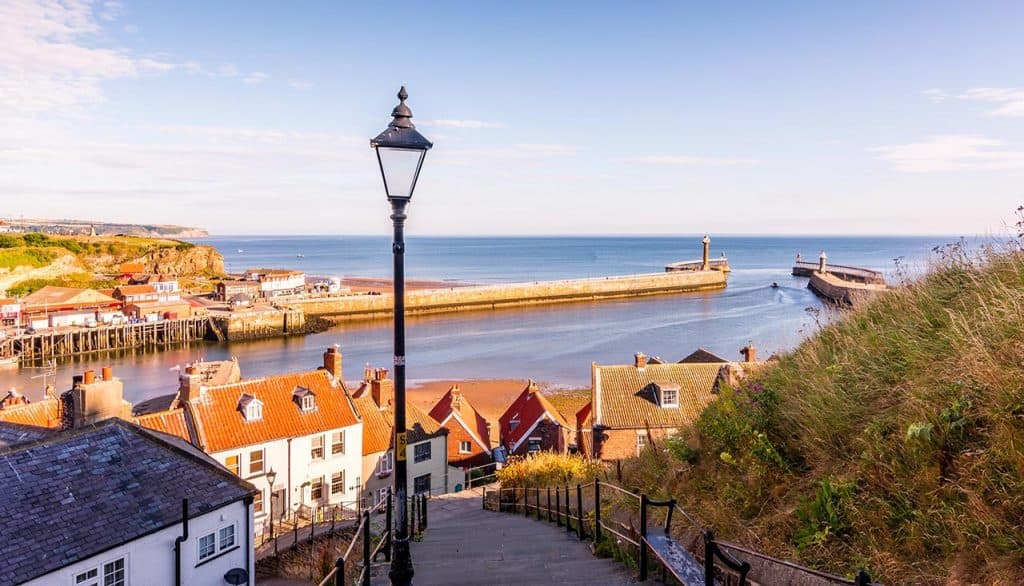
199 Steps
Description taken from www.thewhitbyguide.co.uk
One of the most famous landmarks in Whitby are the 199 Steps that lead up to St Mary’s Churchyard, also know as the ‘Church Steps’. The reasons for walking up the steps have differed over the years, but now they are used to capture one of the most beautiful views of Whitby you can achieve.
The first record of the steps was in 1340, though it is believed the steps were made a long time before this, as some historians believe that St Hilda would use the steps to test the faith of her followers (climbing up the steps would prove your faith, a simple task these days).
Believe it or not, the steps were actually originally made of wood and stood for hundreds of years that way until 1774 when the steps were replaced with Sneaton Stone. There has been many years of dispute as to how many steps there are, some believe there are 198, and others believe 200 (depending on how you count the steps). In 1761 John Wesley counted 191, and in 1800 guide books of Whitby 194 were counted.